Knowledge base
Practical articles on parts, technologies and costs: how we rebuild parts, when plastic can replace metal, and why a test print comes before machining.
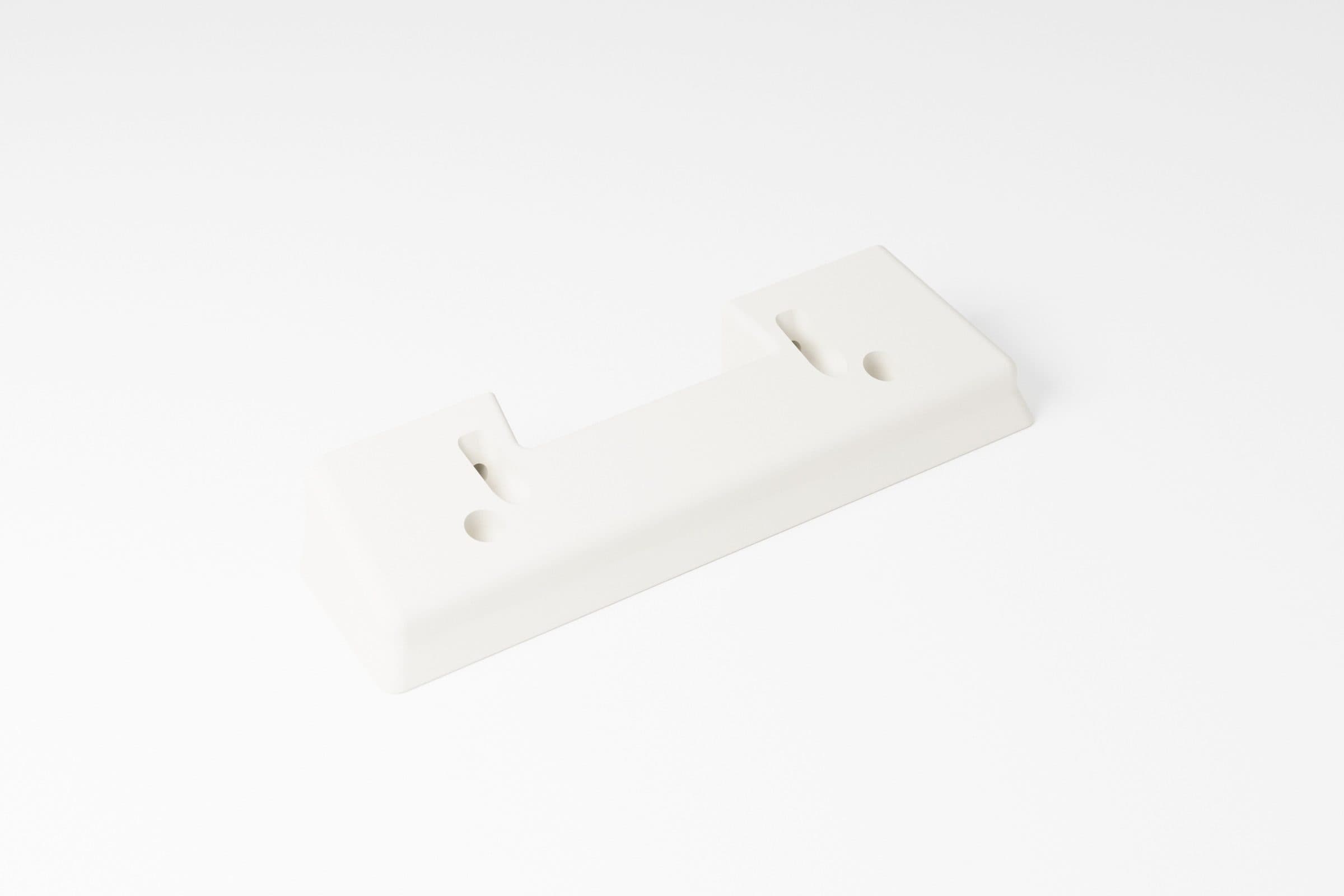
Parts on demand: how we rebuild a part you can no longer buy
A machine is down because a part cracked and the manufacturer no longer sells it. Here is how we turn a worn sample, a photo and a few measurements into a working part, plus documentation that stays with you.
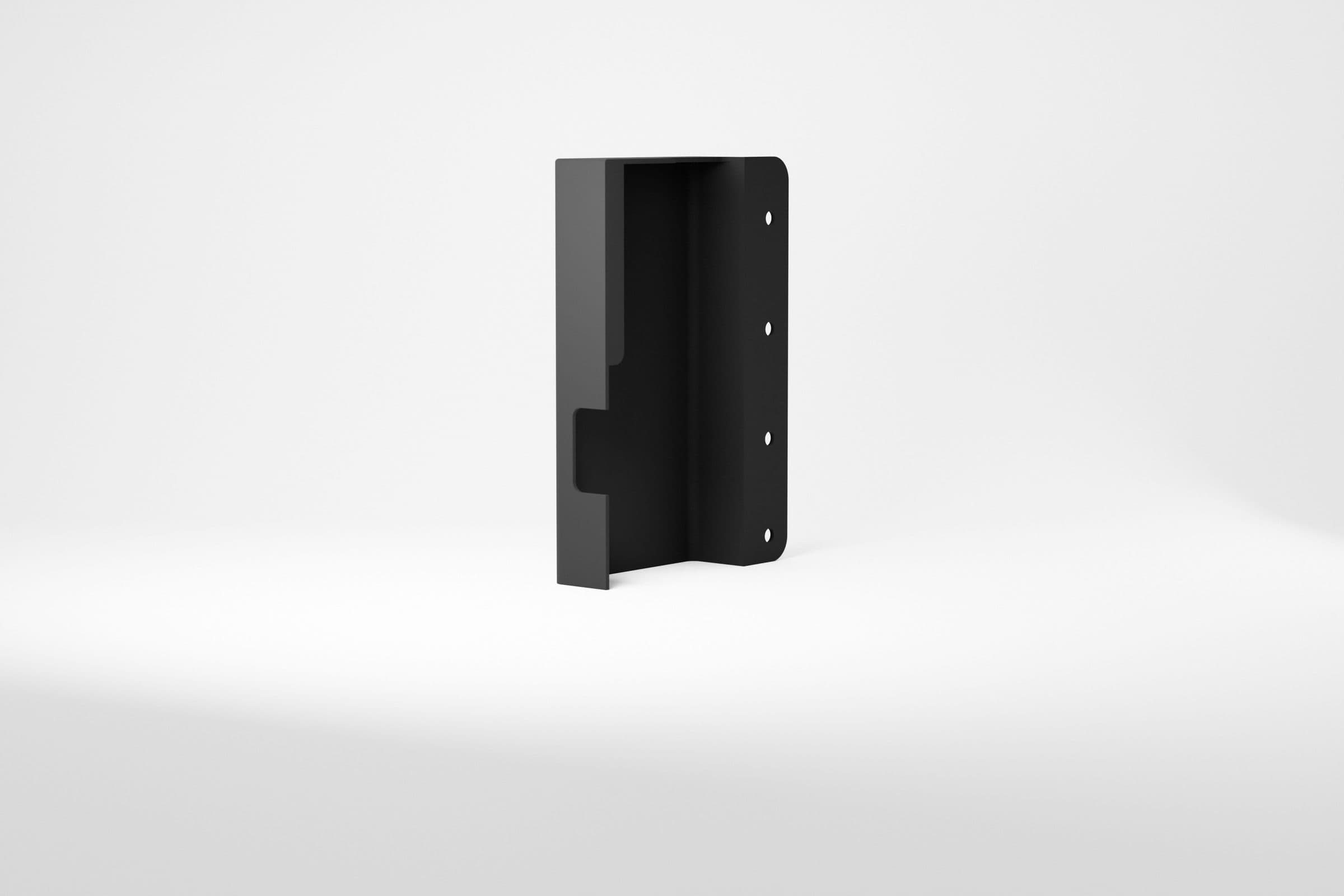
Reverse engineering in practice: from a worn sample to production documentation
The machine works, but nobody has its files. Here is how we measure, what goes into the documentation, and why the documentation, not a single part, is the real asset.
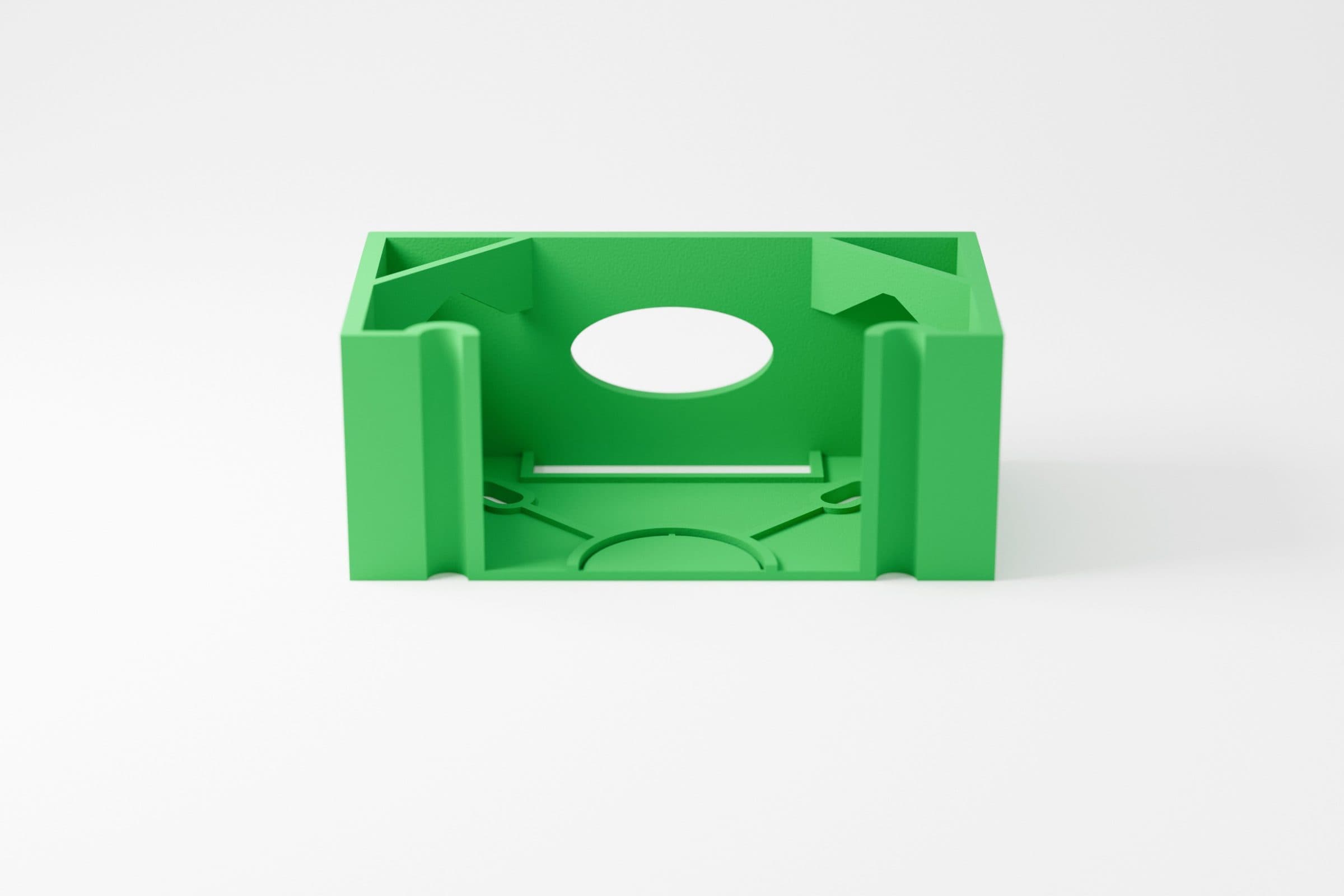
A test print before metal: a cheap mistake instead of an expensive one
The most expensive mistake is the one you only see after the part comes off the machine. A plastic print lets you catch it earlier, for a fraction of the cost.
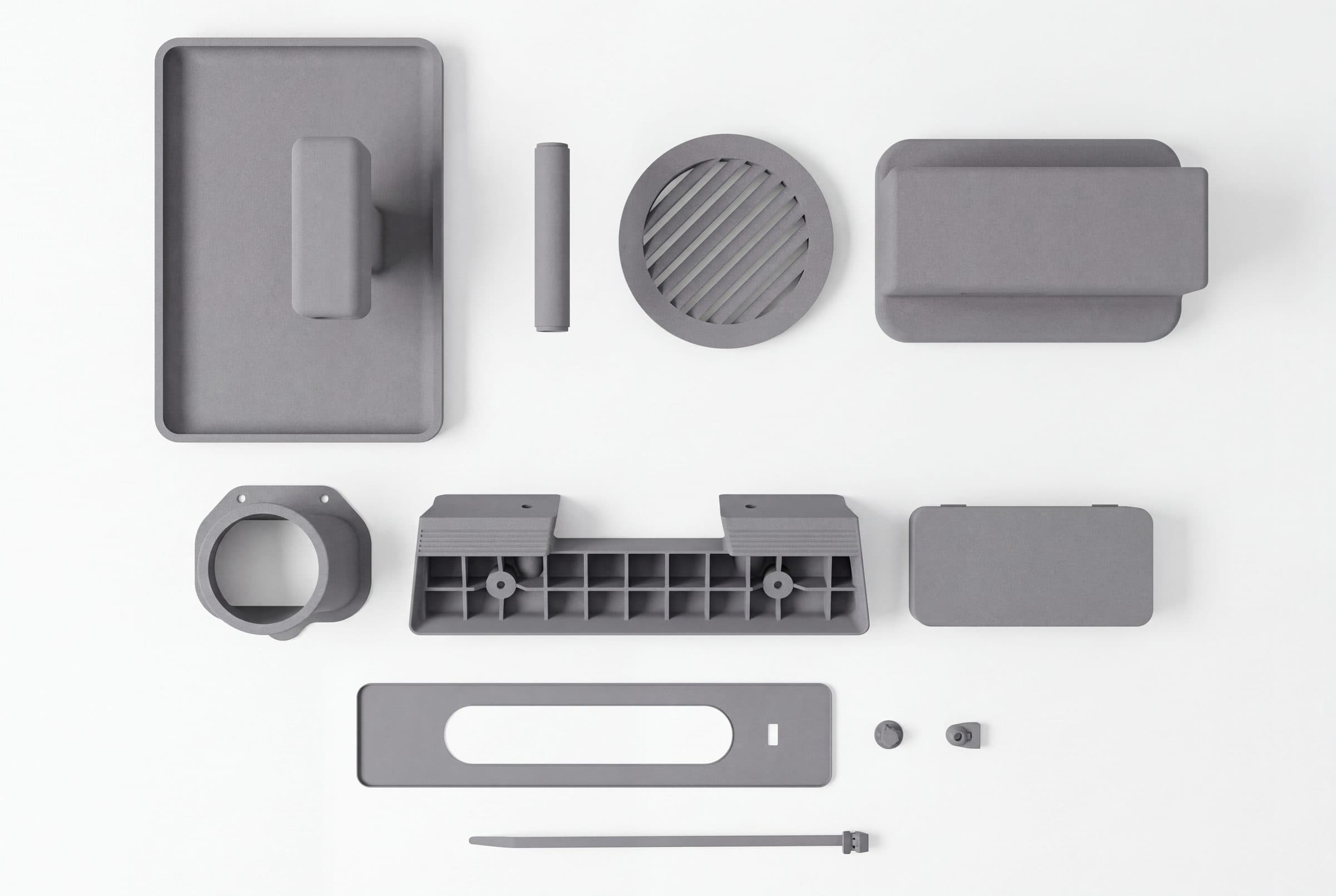
FDM, MJF, SLS: when plastic can replace metal, and when it cannot
3D printing will not replace the steel in a machine frame. It does, more and more often, replace machined covers, brackets and adapters. A short guide: technologies, materials and five questions that settle the choice.
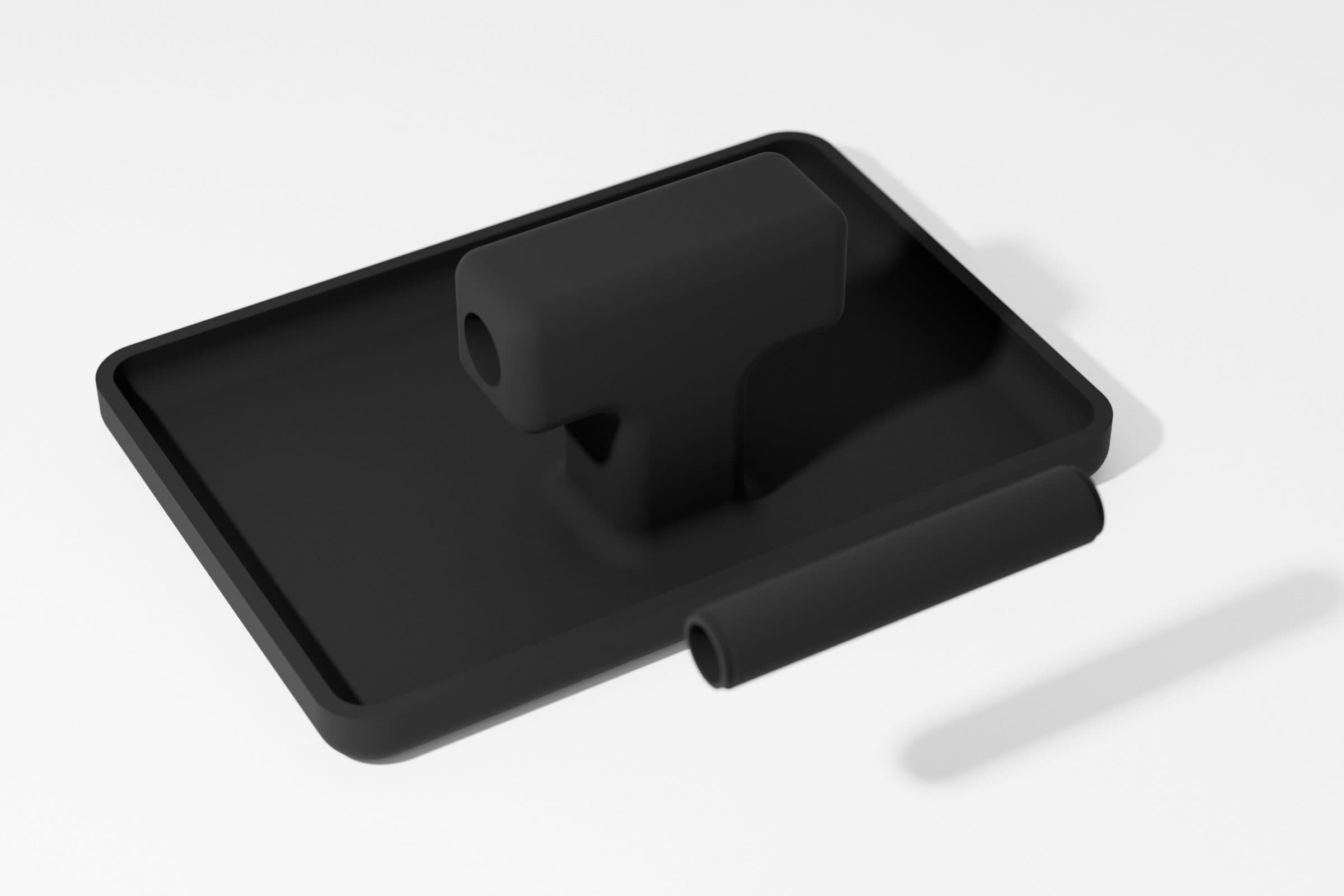
Workshop tooling from a 3D printer: fixtures, templates, covers, signage
Every shop floor has things improvised on the spot. 3D printing turns them into proper, repeatable tools within days, with no mould and no minimum order. What works, what to make it from, and where the limits are.
Send a file or a photo. We reply with a price and a lead time.
STL, STEP, a drawing, a photo with dimensions or a one-line description. If something is missing, we will ask.