Workshop tooling from a 3D printer: fixtures, templates, covers, signage
Every shop floor has things improvised on the spot. 3D printing turns them into proper, repeatable tools within days, with no mould and no minimum order. What works, what to make it from, and where the limits are.
Every shop floor has things improvised on the spot: a rest for a part on the measuring table, a drilling template, a cover for a strip, an organiser for cutters. 3D printing turns them into proper, repeatable tools within days, with no mould and no minimum order.
What is worth printing
- Locating fixtures and rests for measuring, marking and assembly.
- Drilling and assembly templates, setting gauges, profile gauges.
- Guards, blanking covers, lids and cable guides inside machines.
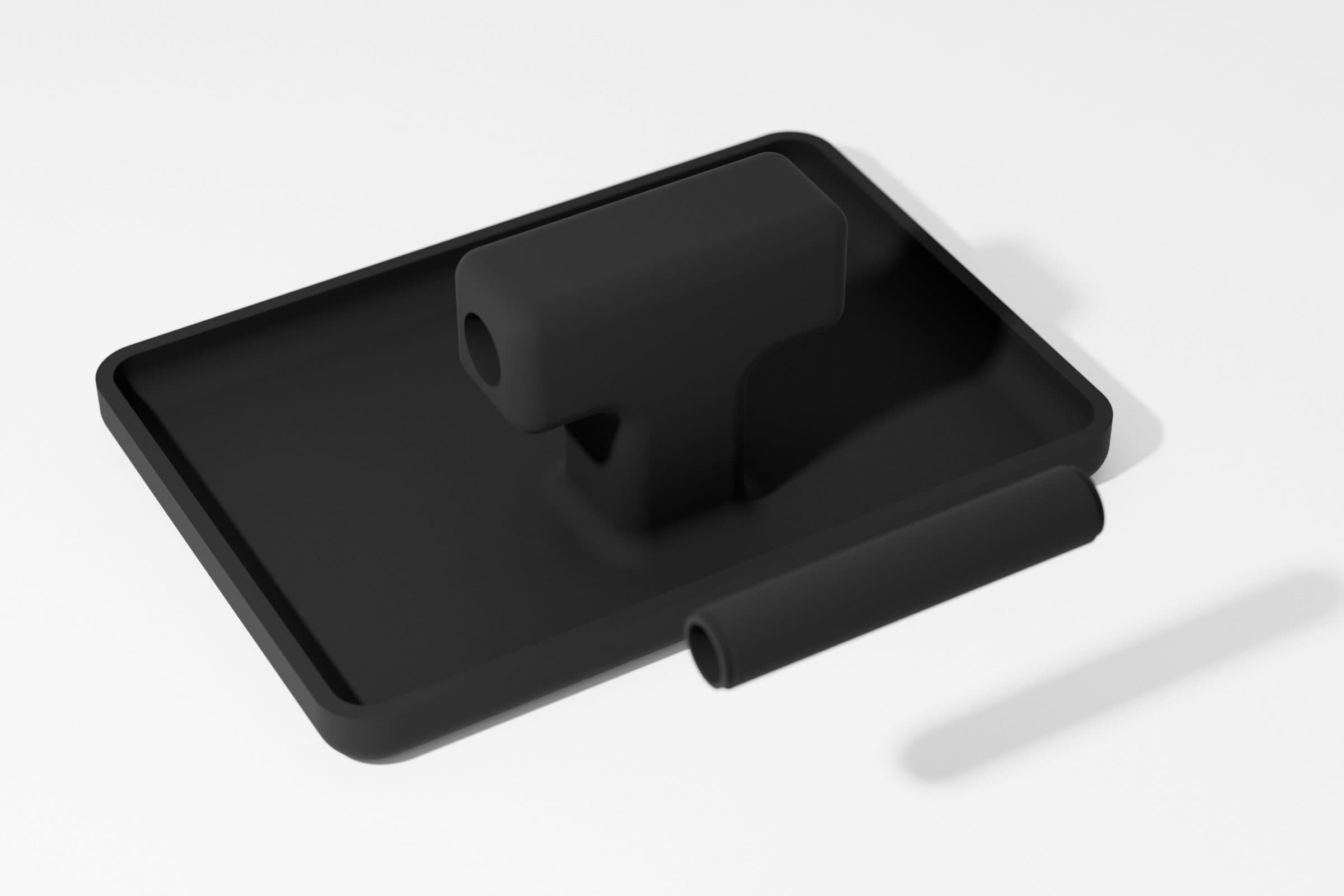
- Tool organisers, part trays, soft jaw covers for light clamping forces.
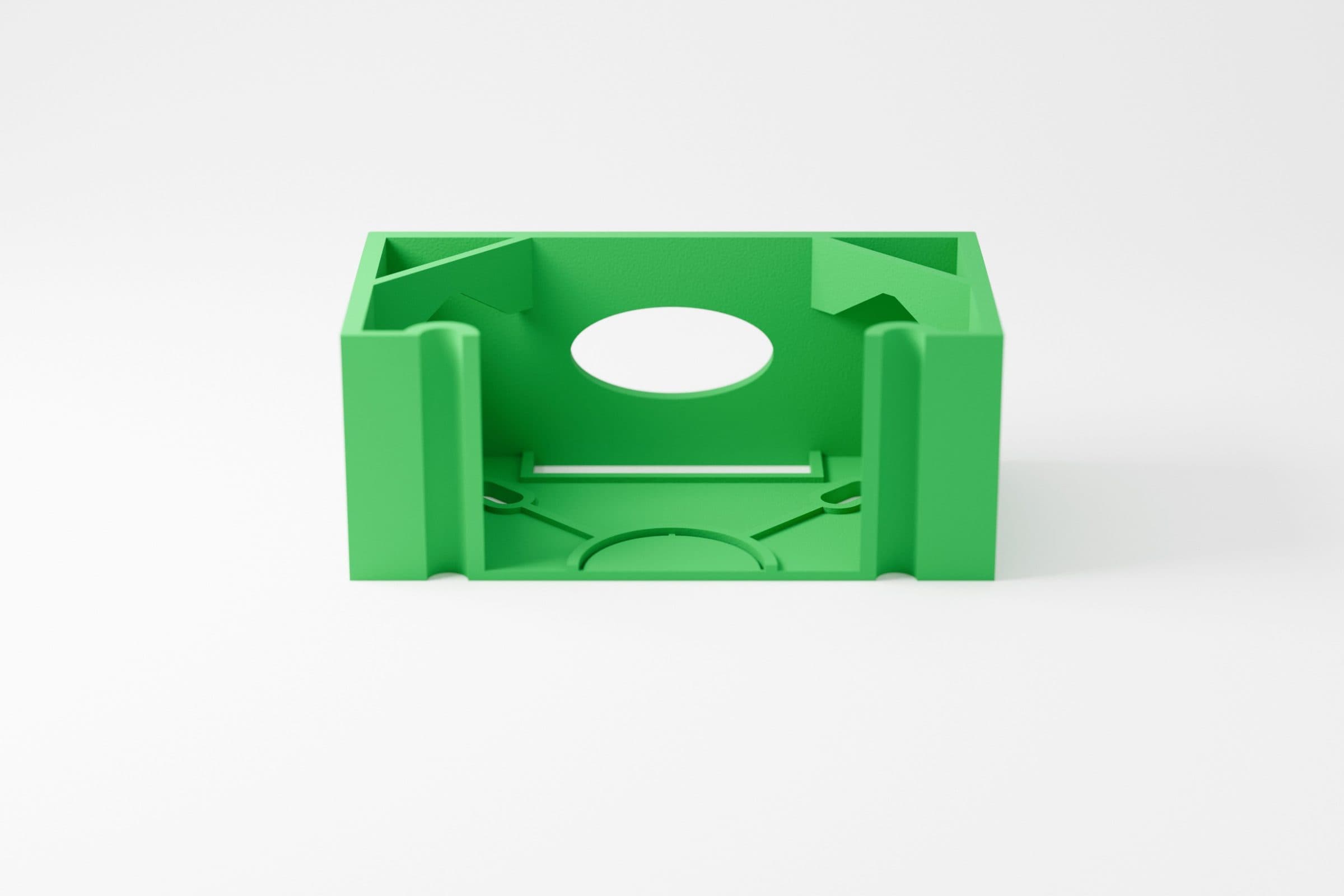
- Adapters and service blocks for specific assemblies that no catalogue covers.
Examples
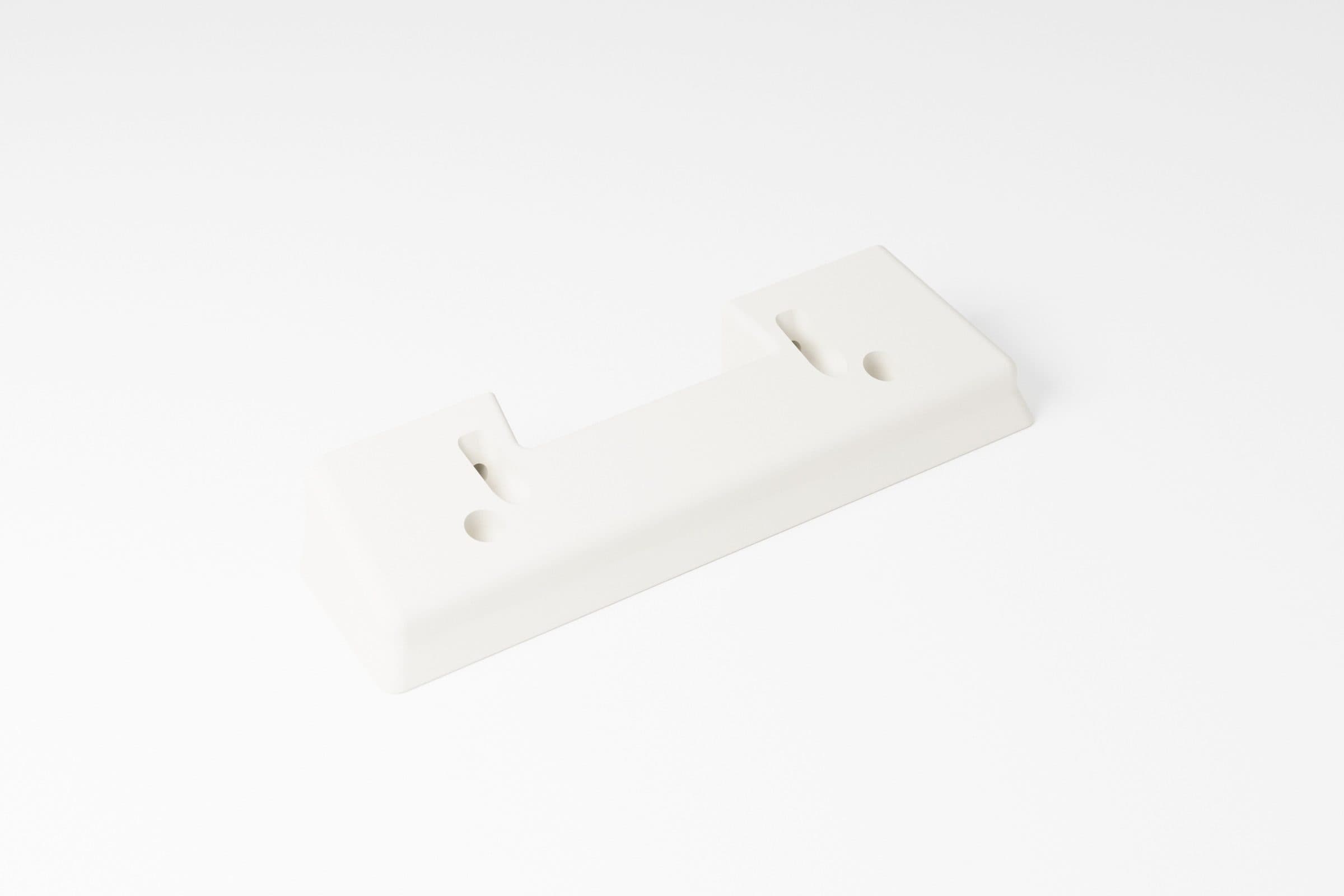
A blanking cover for a machine's light strip. A 286 x 62.5 x 3.3 mm part with a light window and a 6 x 13 mm port, fitted to the existing outline. A dimensioned drawing for sign-off, STL and 3MF files, printed in PETG: about 16 g and 24 minutes.
Assembly templates for a signage run. For the numbering of a residential building, about 190 digits were made in one production cycle, together with mounting templates and instructions for the site crew, so every number lands in the same spot on the wall. The client came back to order the second building.
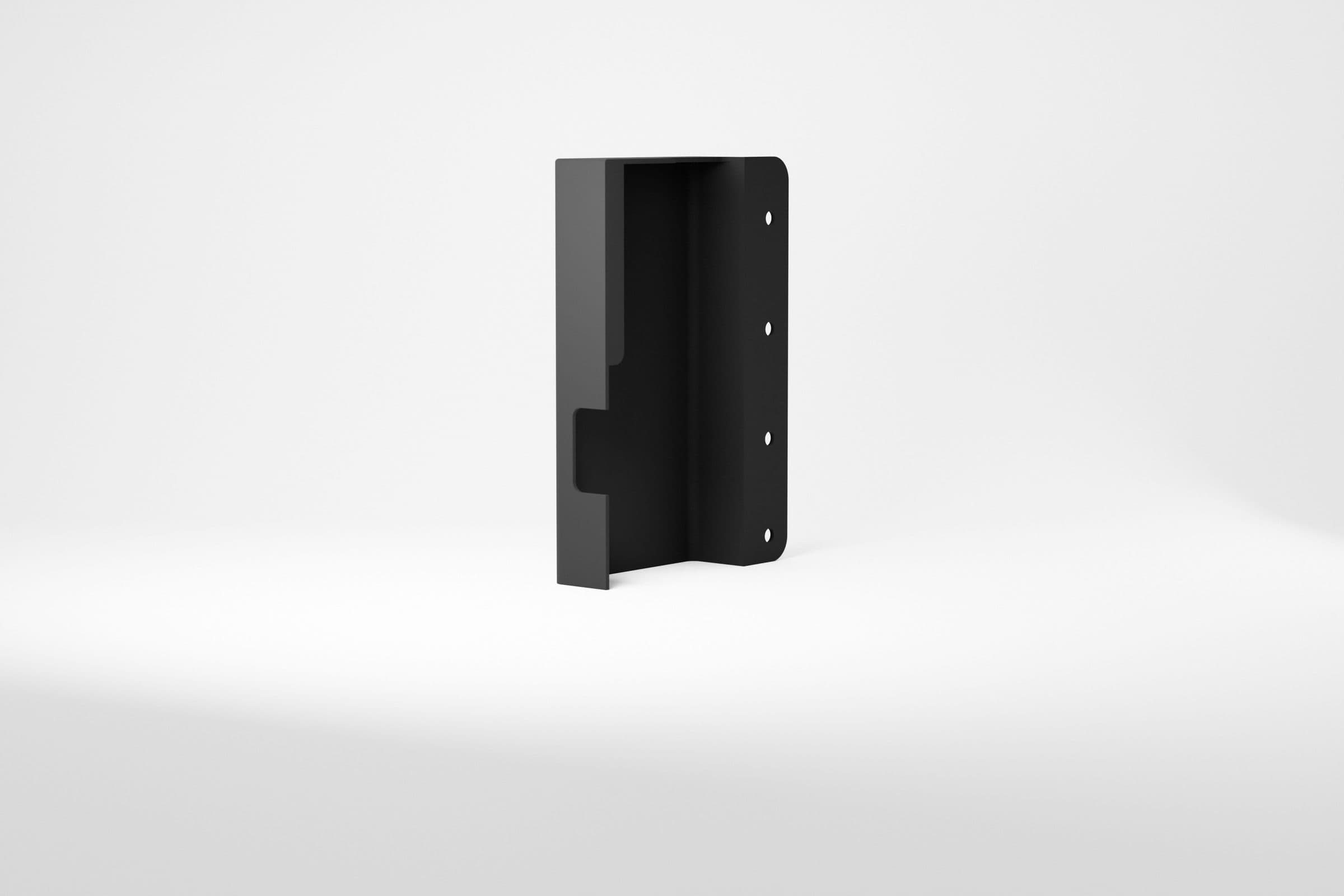
A service block for a suspension damper. An adapter you cannot buy, rebuilt from the geometry of the original component and printed in carbon-fibre reinforced PETG, with a matching bushing. It holds the assembly during servicing without damaging it.
A stamp for pressing a logo into clay for a ceramics studio: from the studio visit to a finished, tested tool took two days. The same way of working applies to stamps, dies and patterns in the workshop.
What to make it from
- PETG: the default for tooling. Stiff, impact-resistant, handles workshop life well.
- Carbon-fibre PETG: when stiffness and dimensional stability matter, for example in service blocks and fixtures.
- PA12 from powder printing (MJF / SLS): tougher parts with similar properties in every direction, and small runs of tooling meant to last for years.
- Metal: when forces are high or the part runs hot. Then the print serves as the test version, and a trusted partner machines the final part.
Where the limits are
We do not print jaws for heavy cutting forces, load-bearing parts or anything in contact with hot chips. In those places a print is a fitting aid, not a tool. We say so plainly when quoting, so nobody pays for something that will not last.
How to order
- A photo of the spot and the problem, overall dimensions or a sketch on paper.
- Design and print within days, with a drawing for sign-off if dimensions are critical.
- The files stay on record: the next piece is a reprint, not a new project.