Parts on demand: how we rebuild a part you can no longer buy
A machine is down because a part cracked and the manufacturer no longer sells it. Here is how we turn a worn sample, a photo and a few measurements into a working part, plus documentation that stays with you.
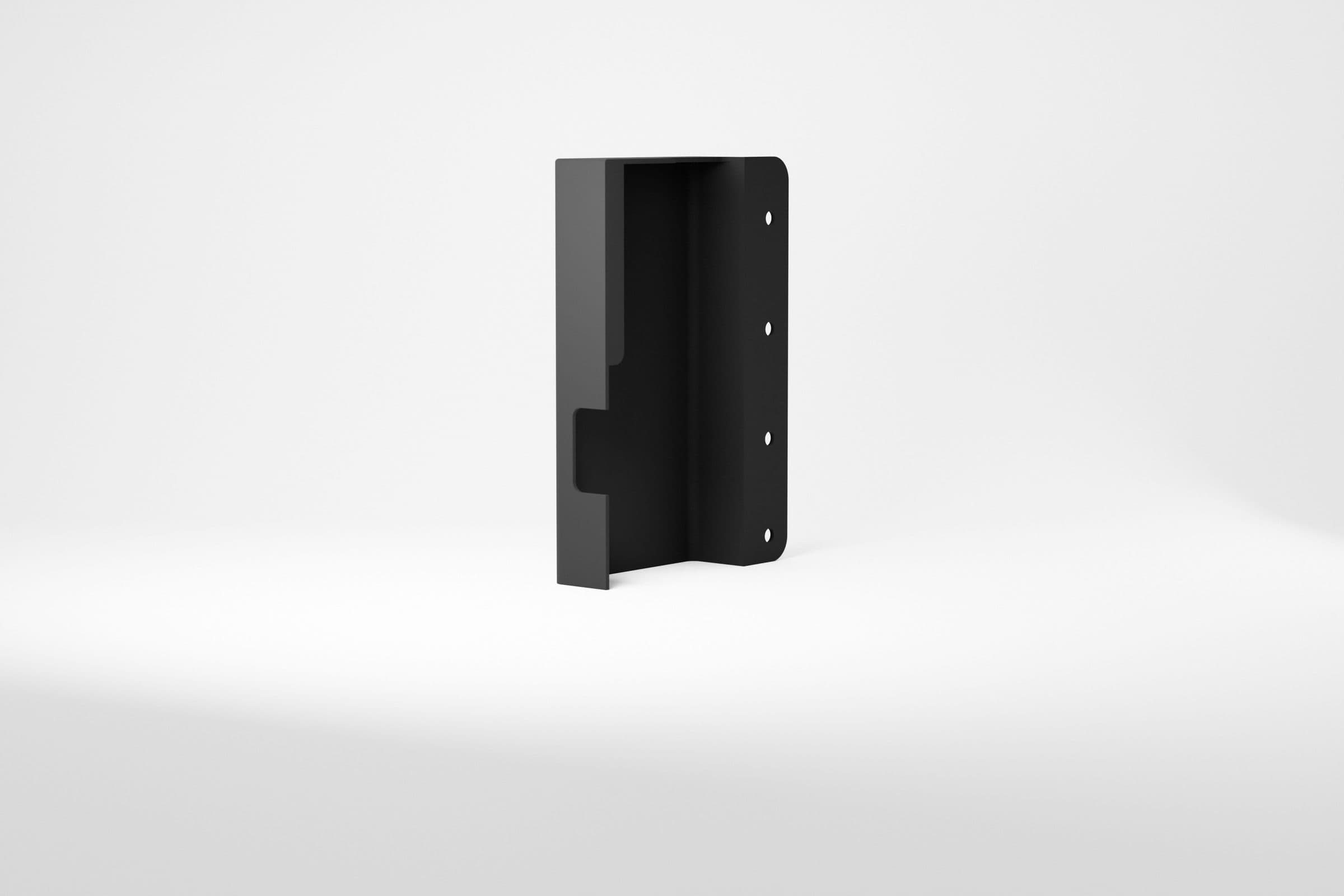
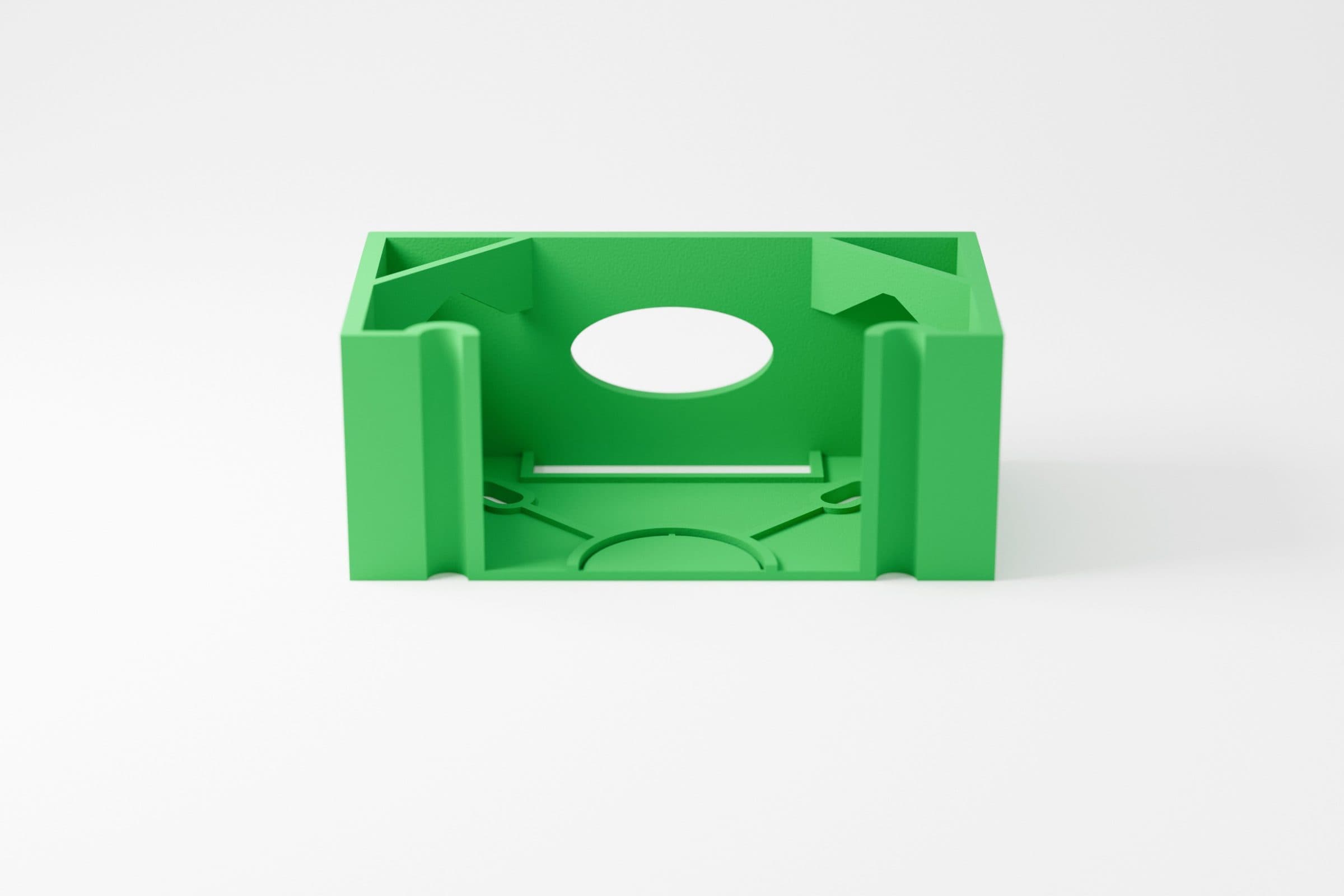
A machine is down because a part cracked and the manufacturer no longer sells it. Or a replacement exists, but delivery takes weeks and you only need two. In cases like these we rebuild the part from whatever is left: a worn sample, a photo and a few measurements. First comes a test version in plastic, then the final version: CNC-machined metal from our partner network, or polyamide from an industrial printer.
When it makes sense
- The part is unavailable: the manufacturer is gone, the model was discontinued, stock is empty.
- The lead time is longer than the downtime you can afford.
- You need one piece or a handful, so an injection mould or a large run is out of the question.
- There is no documentation at all, only the physical part, often worn or cracked.
How the process works
We work in five steps. The lead times below are typical for parts of simple and medium geometry. For complex mechanisms we set them after seeing the part.
- Request. A photo and a short description are enough, or just the part itself. Within 24 hours (on a working day) we tell you whether the part can be rebuilt and how long it will take.
- Measurement and model. Manual measurement or a 3D scan, then a 3D model (STEP) and a drawing with tolerances. Usually 2 to 5 days.
- Test version. A plastic 3D print in 2 to 4 days and a test fit where the part will actually work. This is where every surprise shows up: a forgotten undercut groove, a different hole spacing, a clash with the part next to it.
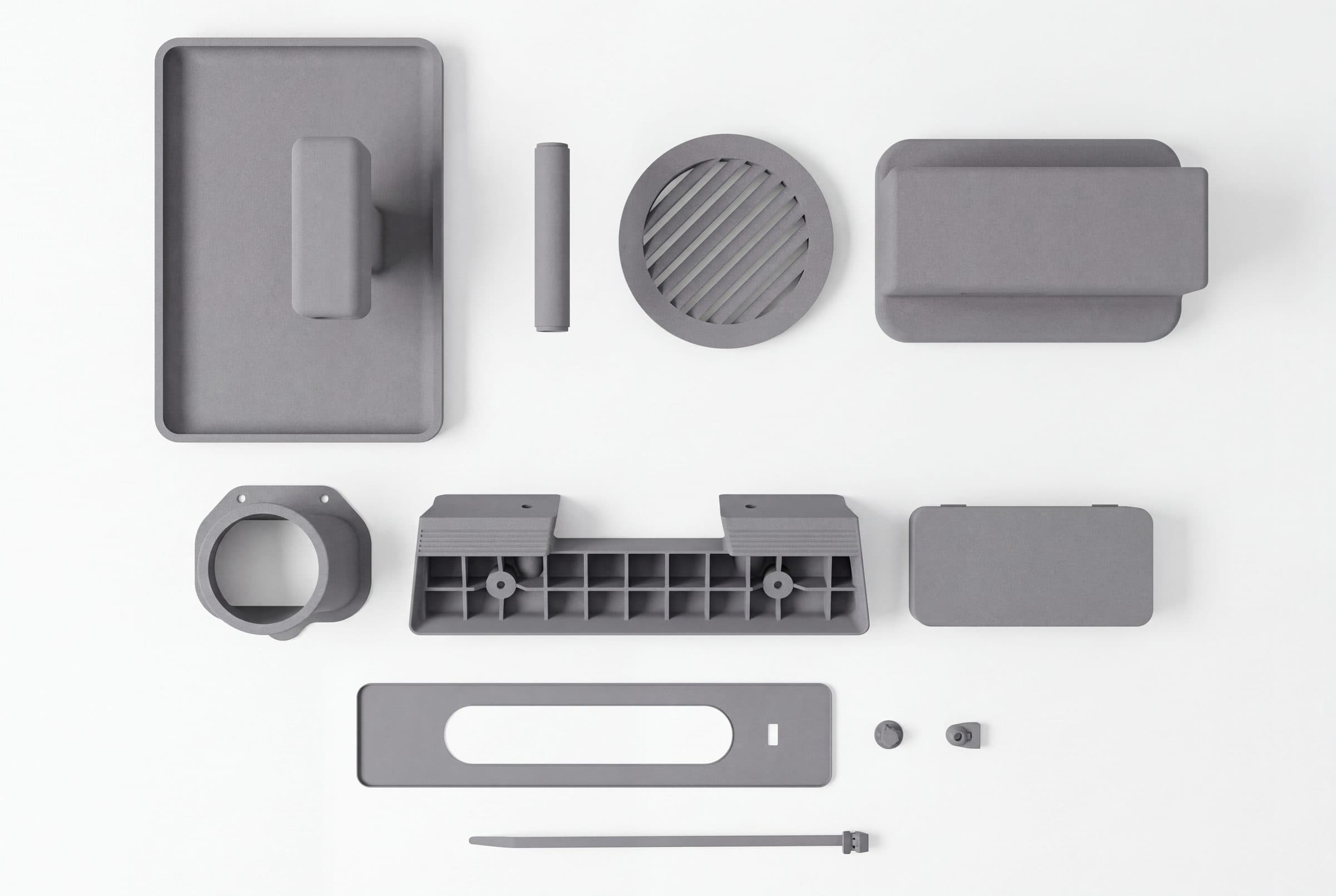
- Final version. Once the fit is confirmed: CNC machining in metal at a trusted partner or, if the loads allow it, a PA12 polyamide part from an industrial printer (MJF / SLS).
- Archive. The model and drawing stay on file. You order the next pieces off the shelf, with no new measuring or scanning.
Why plastic first, metal second
A mistake caught on a print costs a little material and a few hours of printer time. The same mistake caught on a machined part costs material, machine time and the deadline. That is why we never send anything to metal that has not been test-fitted first. For low-load parts, the test print often ends up being the final part.
Two examples from practice
A door armrest from a 1964 Pontiac Grand Prix. The casting has not been made for decades and only one worn sample survived. We rebuilt the geometry 1:1 (272 x 74 x 45 mm), including two threads angled at 20 degrees through the mounting wall and the bosses for the original screws. The client received the part, three A3 sheets of technical drawings and a STEP file ready for printing or production.
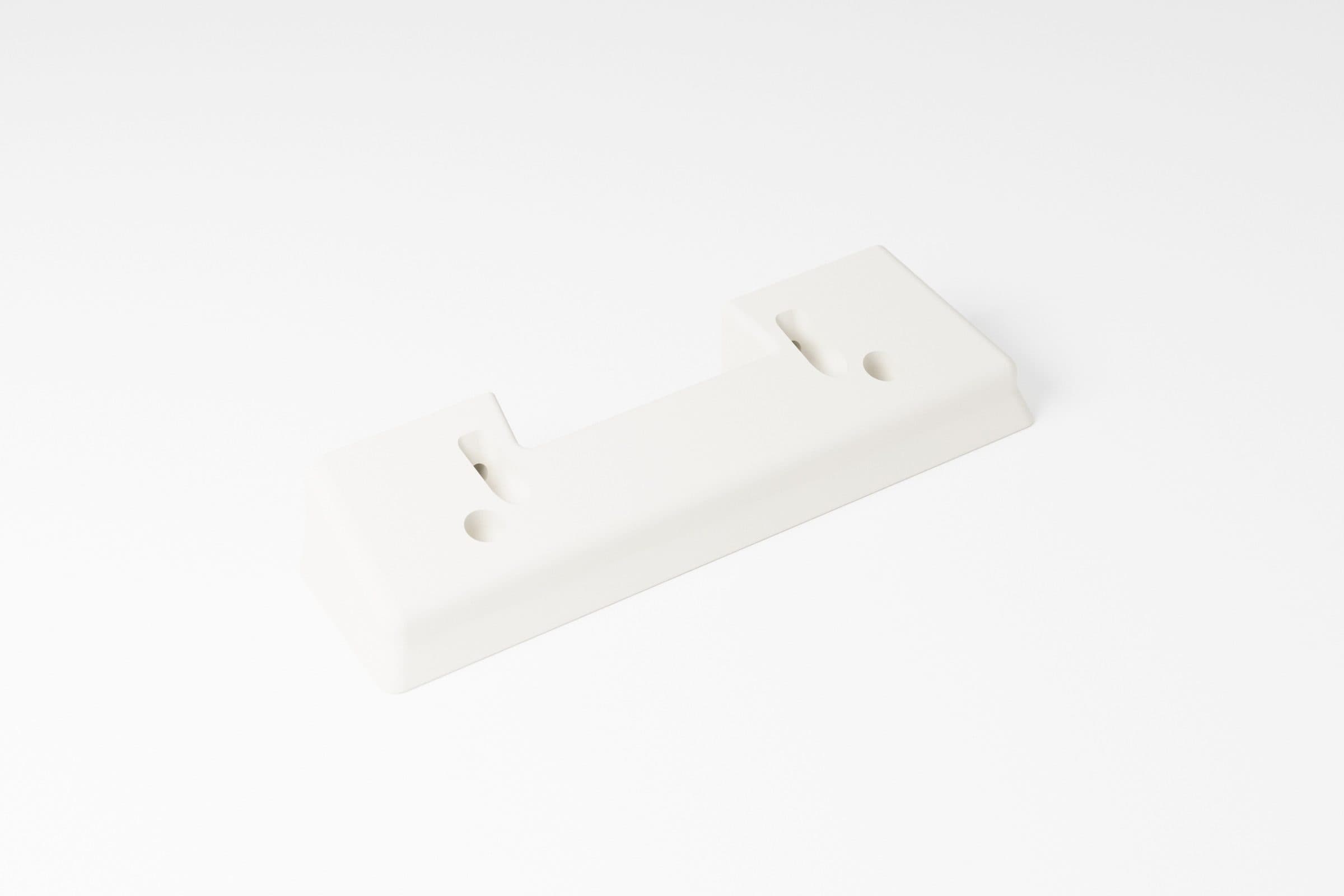
A Jeep Wrangler side step. The original cracked, and the factory replacement was hard to get and expensive. From one damaged piece we rebuilt the outline, the rib layout, the mounting points and the tread pattern. The new part is fitted on the original step bar.
What you get
- A working part, fitted and checked before the final version is made.
- Documentation you own: a STEP model and a technical drawing. You can hand it to another supplier, modify it or archive it.
- The option to order more pieces without measuring again.
How to start
Send a photo of the part and a few sentences: which machine it is from, what broke, how many you need. We reply within one working day.